

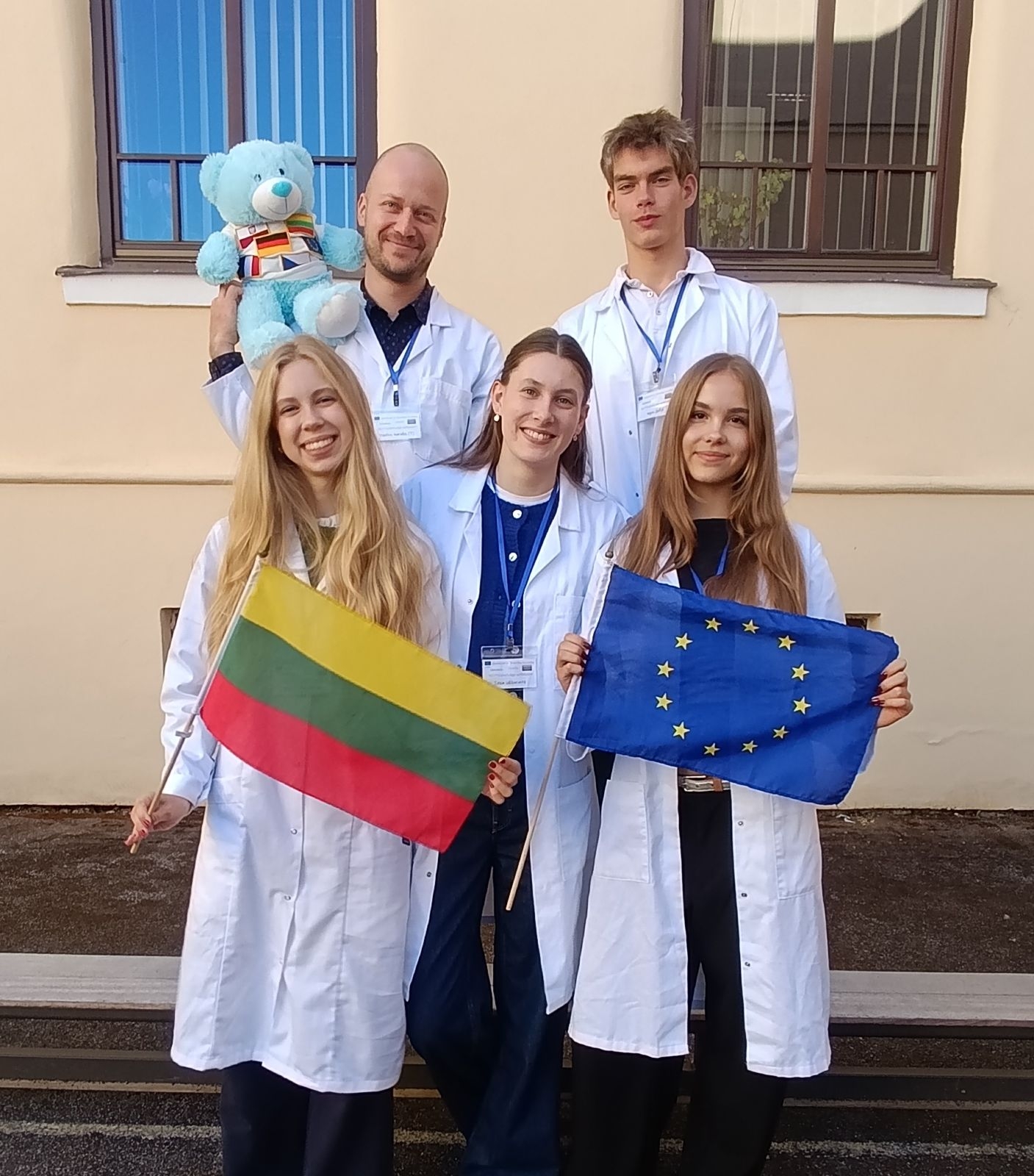
What makes bacteria glow, and how can understanding their communication help scientists develop new antibiotics? Four students from Vilnius Jesuit Gymnasium explored these fascinating questions during an international Erasmus+ biotechnology project in Levoča, Slovakia, from 28 September to 2 October. Accompanied by their biology teacher, Paulius Narušis, Nojus Gečys, Elena Leskevičiūtė, Ieva Užkuraitė and Ugnė Kačerauskaitė stepped beyond the classroom to conduct hands-on microbiological experiments, collaborate with students from across Europe and experience Slovak culture first-hand.
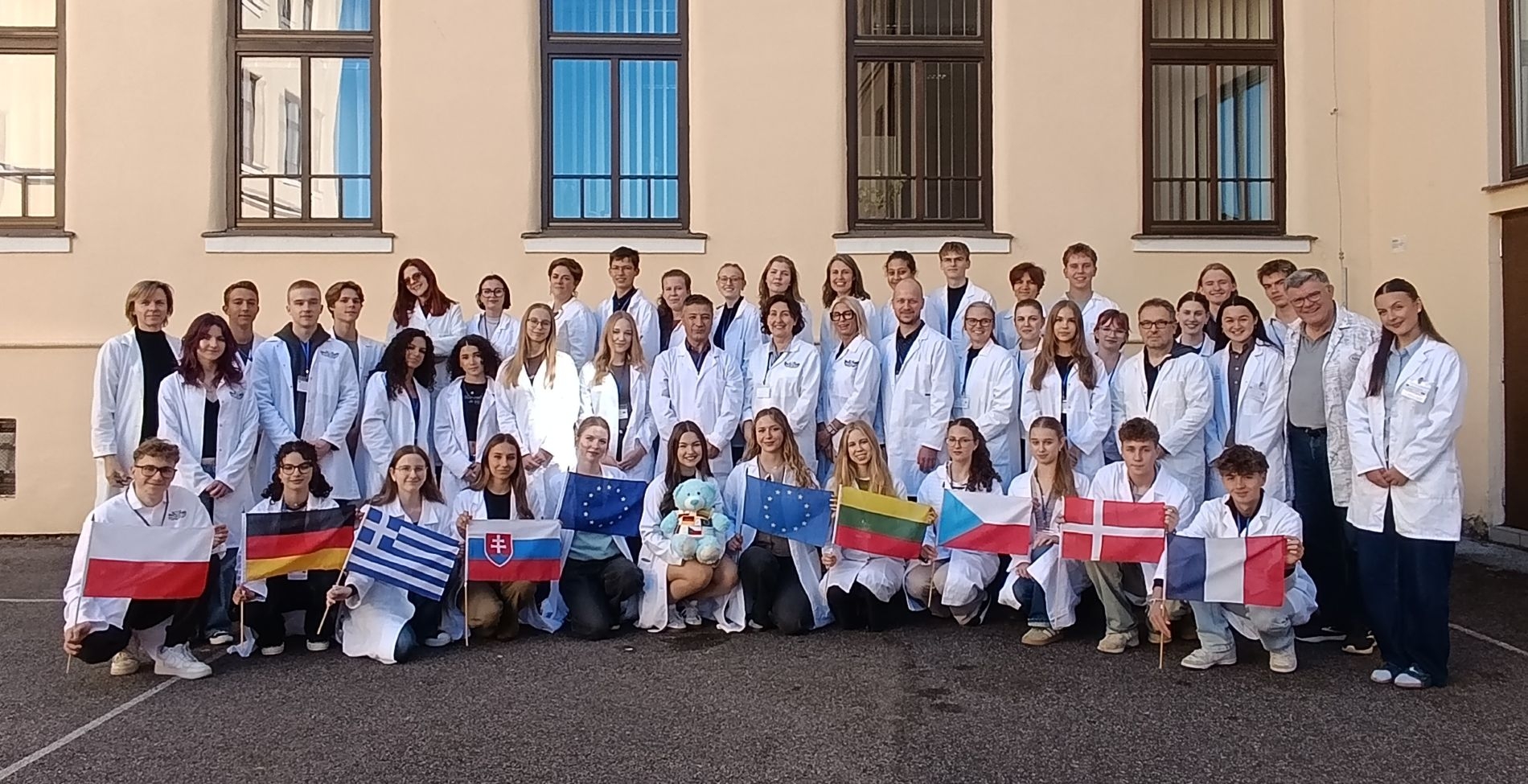
The project brought together students from eight European countries and was hosted by St Francis of Assisi Gymnasium (Gymnázium sv. Františka Assiského). This year's workshop focused on the theme European Challenges in Developing New Types of Antibiotics. The laboratory sessions were led by visiting expert Dr Jürgen Braun.
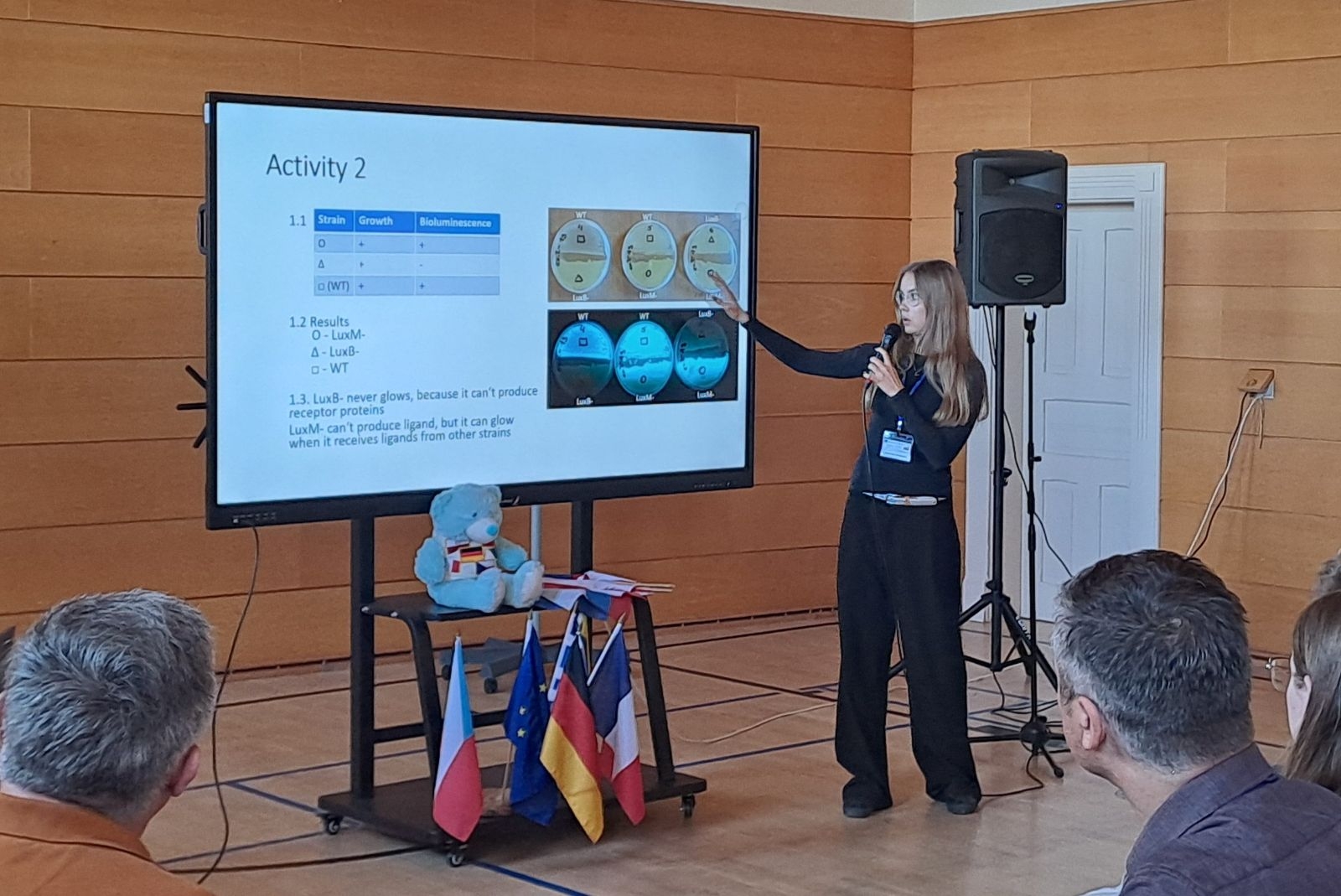
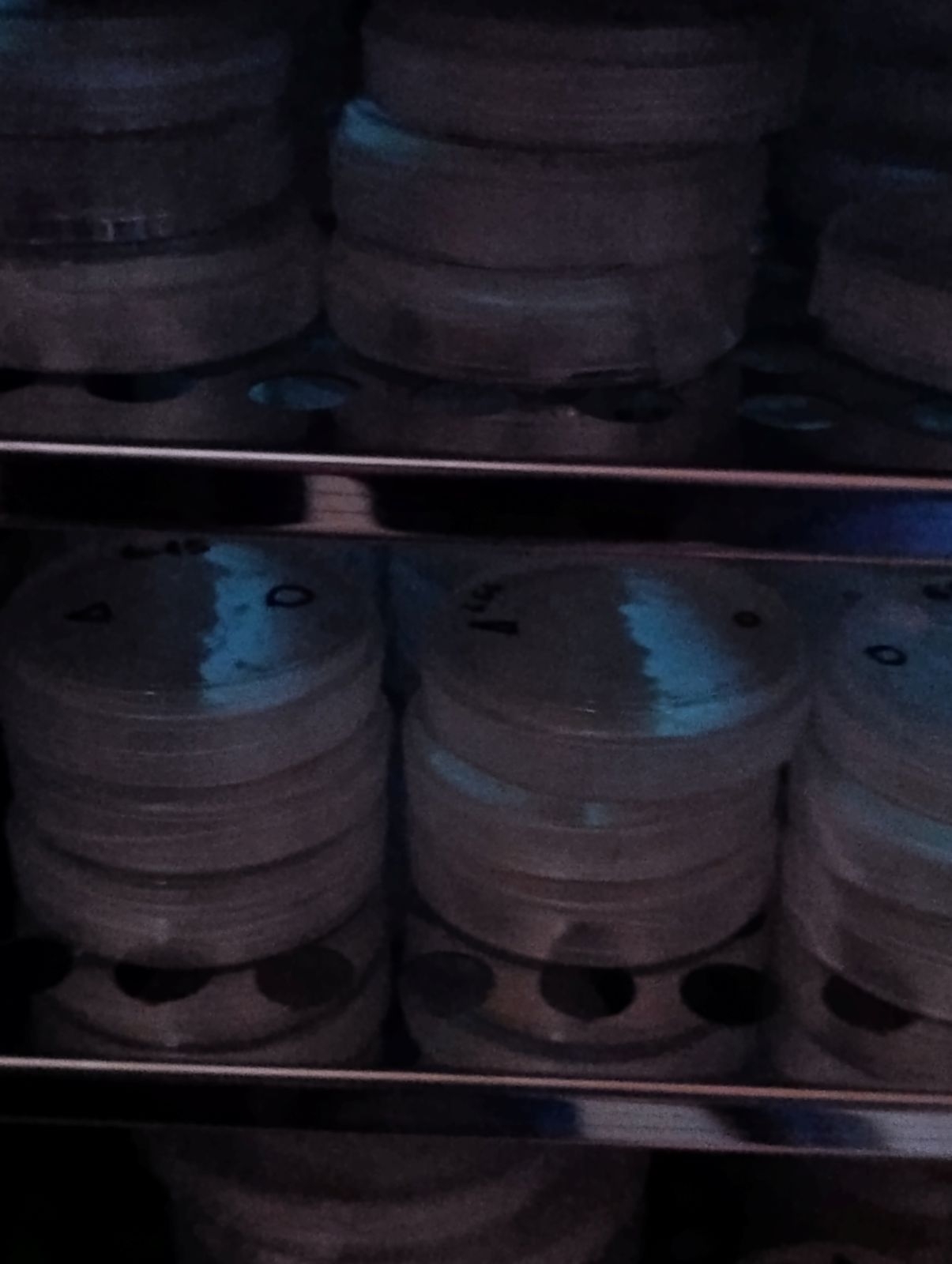
Working in the laboratory, the students investigated Vibrio campbellii, a bacterial species capable of producing light through a process known as bioluminescence. Scientists use this phenomenon to study how bacteria communicate and regulate their activities. The participants worked with three genetically modified bacterial strains, learning to distinguish between them based on their ability to produce light. They also applied bacterial co-plating techniques, investigated how specific substances affect bacterial communication and designed their own experiments to explore the effects of different experimental conditions.
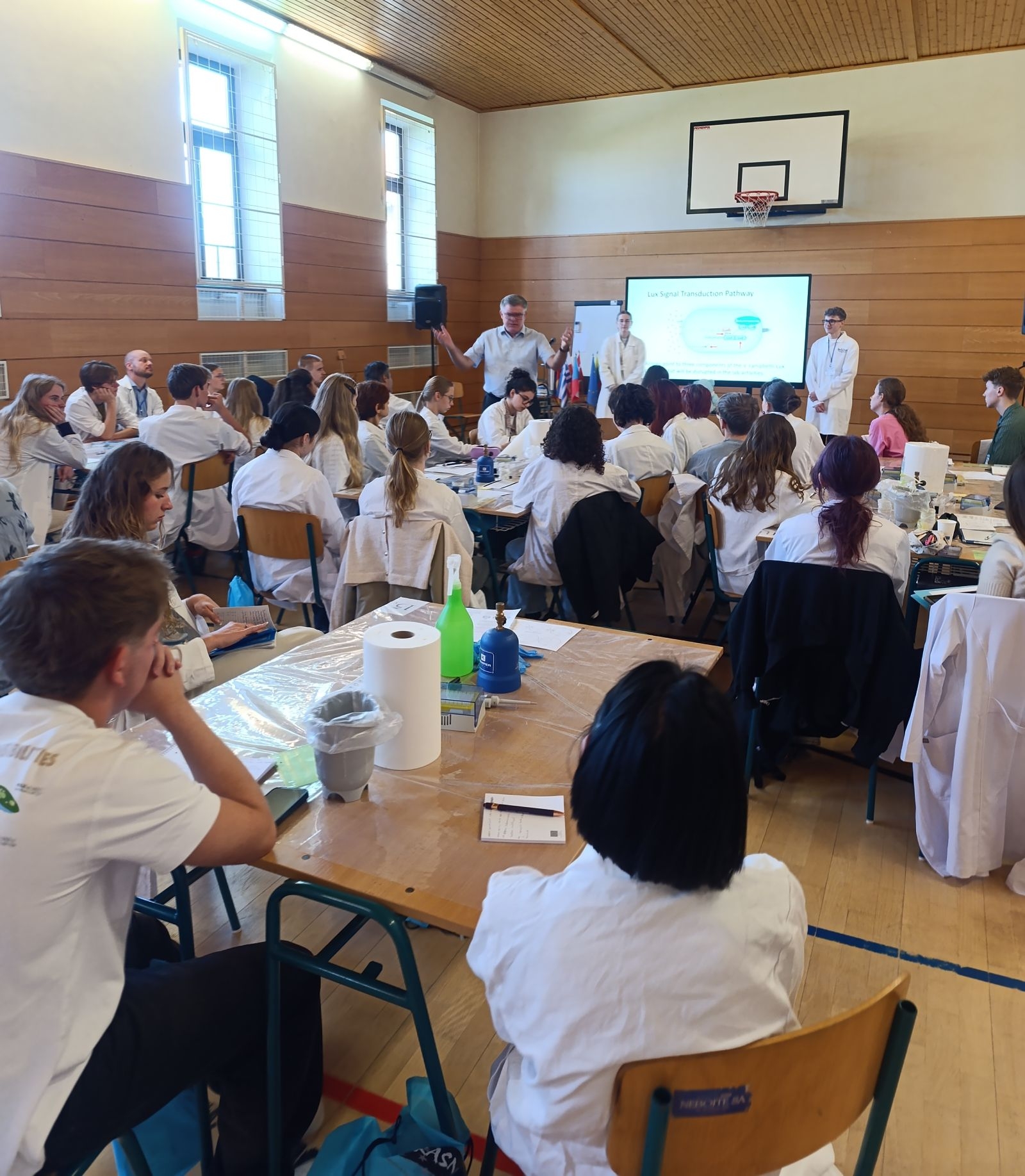
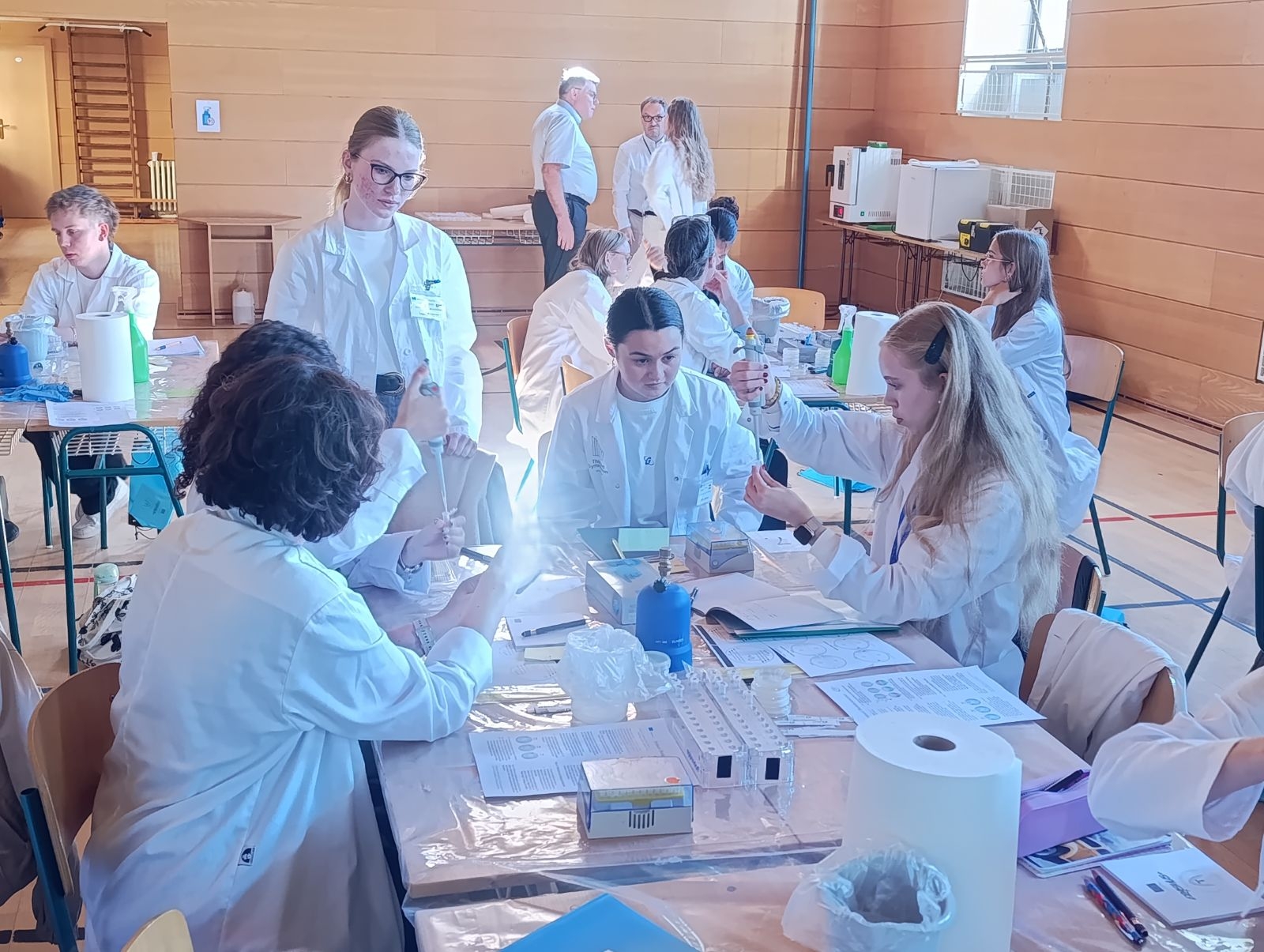
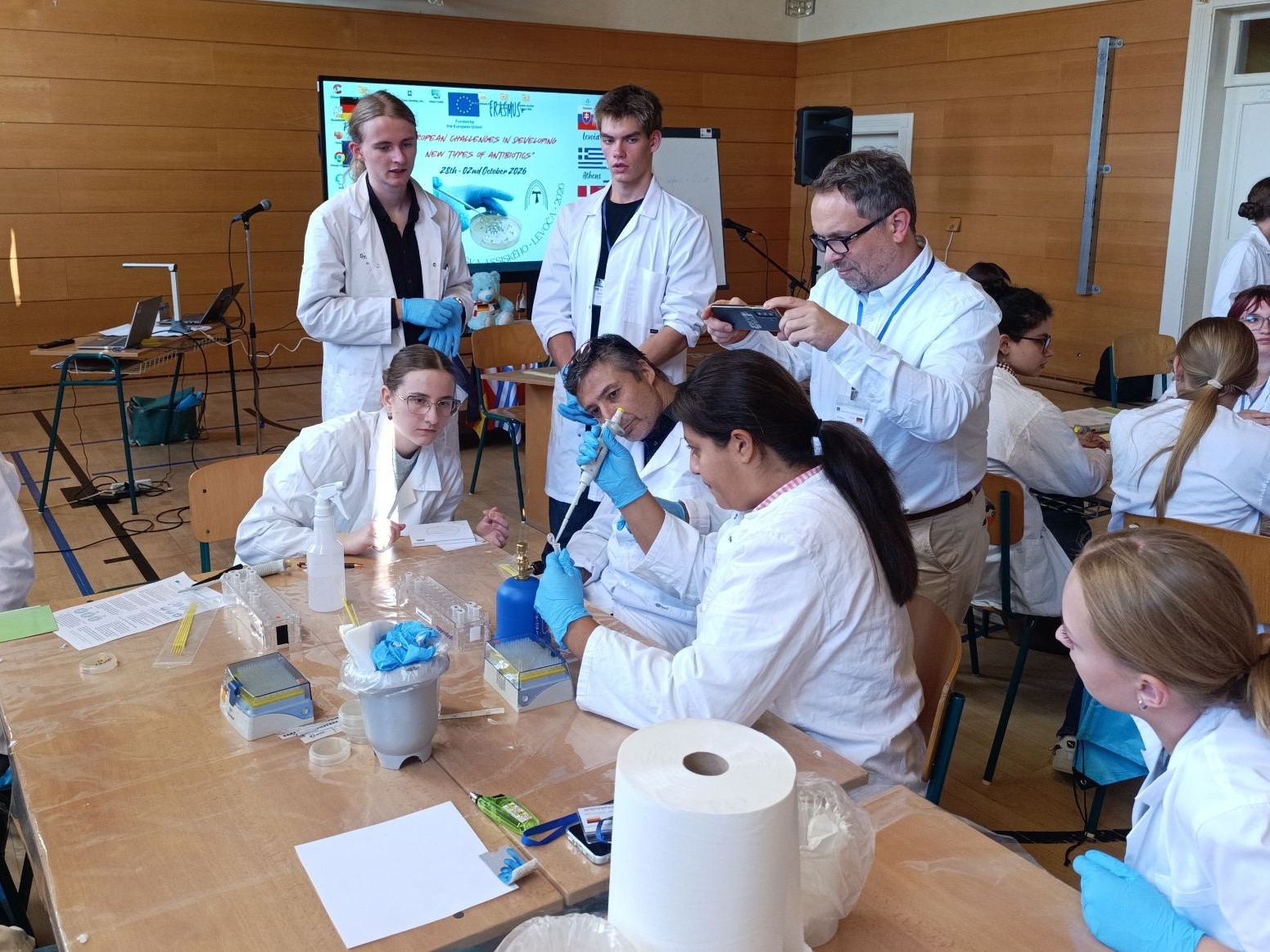
The scientific programme was both demanding and rewarding, challenging the students to master unfamiliar concepts, apply their knowledge and communicate in English. “The biotechnology project itself was challenging: there was a lot of theory, plenty of complicated terminology, and everything was in English. However, I quickly got into the swing of things, and communicating with the other students really helped,” recalls Nojus Gečys. On the final day, participants presented their findings and completed a short test to demonstrate what they had learnt.
Beyond the laboratory, international collaboration was an equally valuable part of the experience. Working alongside peers from different countries gave the students an opportunity to improve their language skills, exchange ideas, form new friendships and discover unexpected similarities between cultures. “I had the opportunity to practise my English and German while communicating with people from different countries, make new friends, compare our cultures and discover unexpected similarities,” says Ugnė Kačerauskaitė.
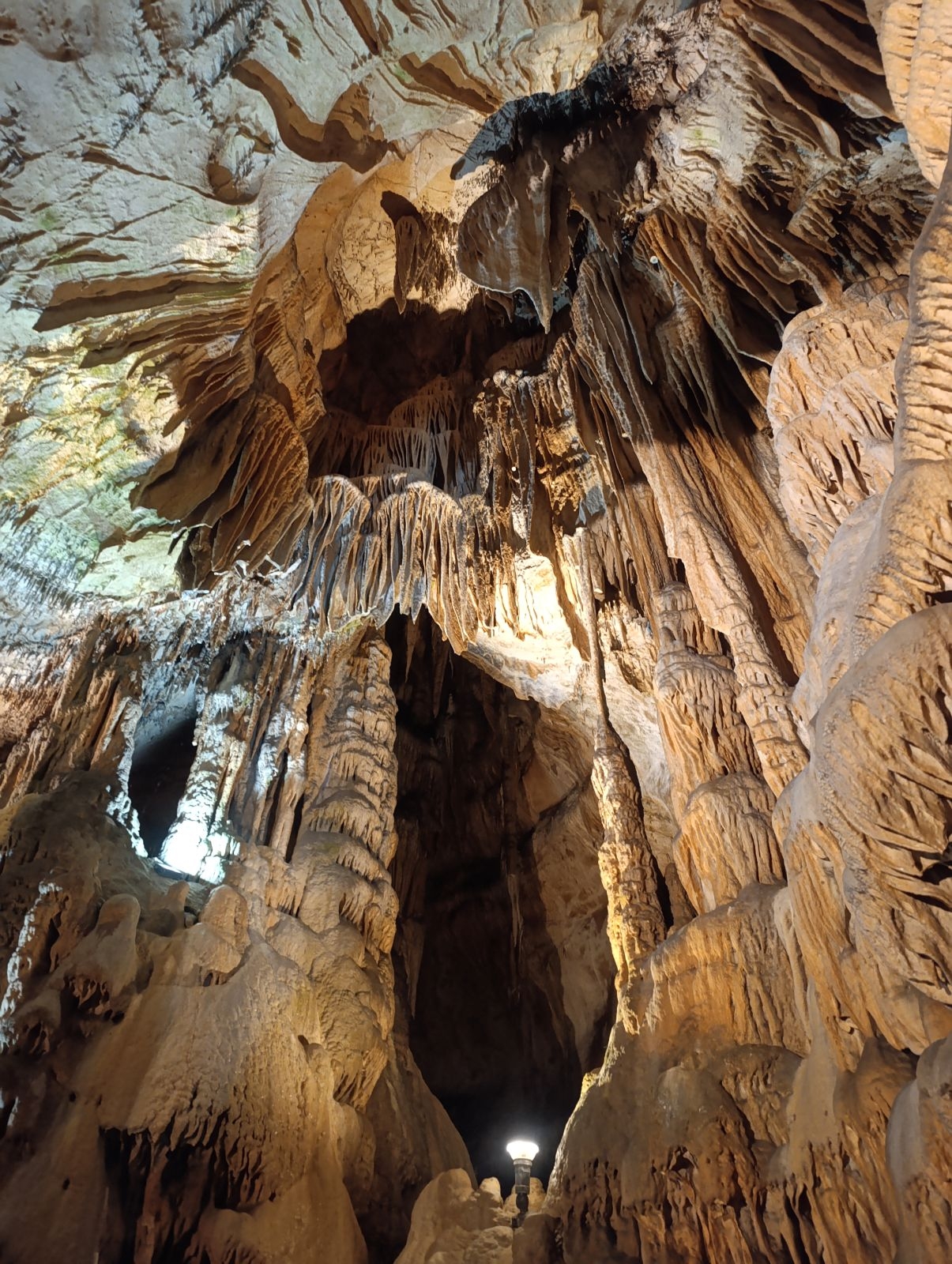
The students stayed with Slovak host families, allowing them to experience everyday life, local traditions and hospitality first-hand. Outside the laboratory, they explored Slovak towns and admired the country's spectacular mountainous landscapes. For many, the warmth and generosity of their host families became one of the highlights of the trip. “I am incredibly grateful to the family who welcomed me so warmly and made me feel at home. This trip gave me not only a wealth of new knowledge but also unforgettable memories and new friendships,” shares Ieva Užkuraitė.
The project offered much more than an opportunity to deepen the students' understanding of biology and gain practical research experience. It also encouraged independence, confidence, intercultural understanding and a willingness to embrace new challenges. As Elena Leskevičiūtė reflects, “Projects like this are incredibly important and valuable because they help students broaden their horizons, meet new people, challenge themselves and learn new things.”
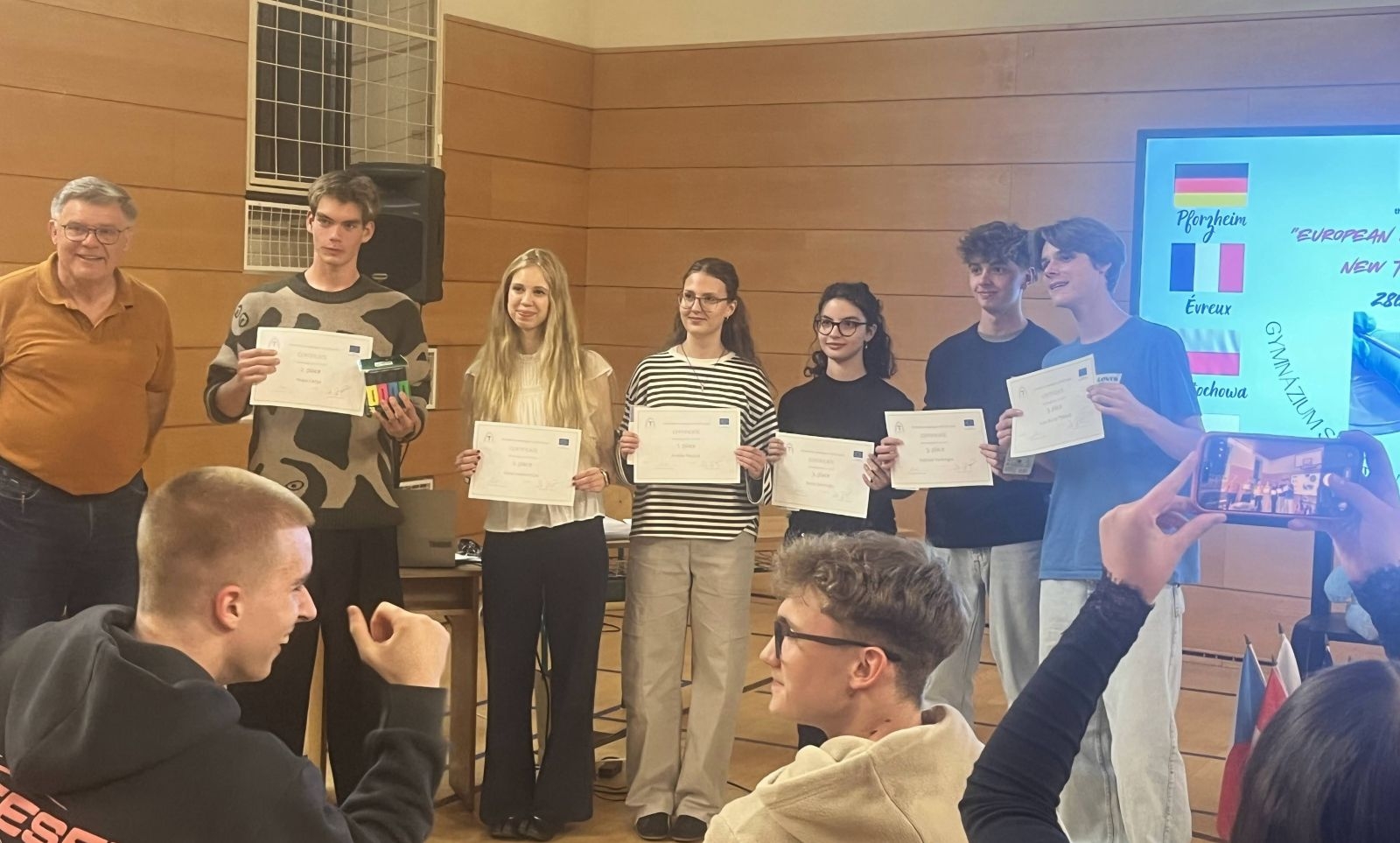
The experience in Slovakia was a reminder that learning extends far beyond the classroom – through scientific discovery, international teamwork and the friendships formed along the way.
The project was funded by the European Union's Erasmus+ programme.
